
When unexpected flooding or a burst pipe strikes, swift action can mean the difference between a minor inconvenience and a costly restoration project. Homeowners and property managers often face structural damage, warped flooring, and health hazards like mold growth if they delay critical steps. Water Restoration Damages must begin immediately to minimize long-term issues and insurance complications.
Understanding each phase of emergency water removal
From initial safety checks to final moisture monitoring, this comprehensive guide empowers property owners to act decisively when water damage occurs. First and foremost, it outlines critical safety precautions to protect occupants and prevent further risk. Next, it delivers a clear, hour-by-hour response plan endorsed by restoration professionals, while remaining practical enough for DIY mitigation efforts until certified crews arrive. By integrating proven industry standards with real-world application, this framework adapts seamlessly to both residential and commercial properties.
Moreover, the guide explains how early intervention directly reduces structural deterioration, mold growth, and long-term repair costs. As a result, property owners can take immediate, informed action rather than waiting passively during the most critical window of damage escalation.
By the end of this article, readers will gain a comprehensive, step-by-step roadmap for managing flood damage repair, burst pipe cleanup, and other urgent water intrusion scenarios. In addition, the strategies balance hands-on mitigation techniques with clearly defined decision points for when to engage professional emergency water removal services. Ultimately, this structured approach minimizes property loss, protects indoor air quality, and supports faster, more cost-effective restoration outcomes.
What immediate steps should be taken after water damage strikes?
Water Damage Restoration is the cornerstone of any effective emergency response plan. It begins with assessing the safety of the structure, locating the source of intrusion, and preventing further water ingress.
First, occupants must shut off the main water supply to contain any leak. Next, electrical circuits in affected areas should be deactivated to eliminate shock risks. Once safety is ensured, a rapid survey of visible water accumulation helps determine the scale of extraction required.
This initial phase not only curbs ongoing damage but also establishes a baseline for documenting losses—crucial for insurance claims. Clear photographs and notes on the flood level guide both DIY cleanup efforts and professional intervention.
Why immediate response matters
Flooding and leaks act fast. Within minutes, water can penetrate porous materials like drywall and wood, setting the stage for mold and structural weakening. Mold remediation becomes exponentially harder once spores begin to colonize damp surfaces.
The speed of extraction directly influences restoration time and cost. Professional studies show that removing standing water within the first hour reduces material replacement needs by up to 50%. Quick action also prevents the escalation of clean water to contaminated “gray” or “black” water categories.
Property owners who delay risk facing not only higher repair bills but also health liabilities. Allergens and toxins released by microbial growth can persist long after visible moisture has dried.
Safety precautions before cleanup
Before anyone steps into flood-soaked rooms, they must don the proper personal protective equipment (PPE). Nitrile gloves, rubber boots, and eye protection guard against contaminants, while respirators filter airborne particulates in cases of advanced mold growth.
Electrical hazards pose a severe risk. Wet floors and outlets create a dangerous environment for unprotected occupants. Checking that power is off at the breaker panel is non-negotiable; if uncertain, calling licensed electricians or emergency services is recommended.
Additionally, stabilizing the structure—propping sagging ceilings or shoring up weakened walls—prevents collapse. Always err on the side of caution: never enter areas where water levels exceed knee height without professional assistance.
Step-by-Step 24-Hour Action Plan
Efficient water extraction and drying follow a tightly scheduled routine. Below is a breakdown of tasks by timeframe.
First Hour: Secure and Assess
- Shut off water sources at the main valve or individual fixture supply lines.
- Turn off electricity in affected areas at the breaker panel.
- Photograph and document water levels, noting furniture displacement and soaked materials.
- Open windows and exterior doors to initiate basic ventilation if weather permits.
These initial actions set the stage for safe, systematic cleanup and help expedite insurance claims by providing clear evidence.
Hours 2–4: Water Extraction Techniques
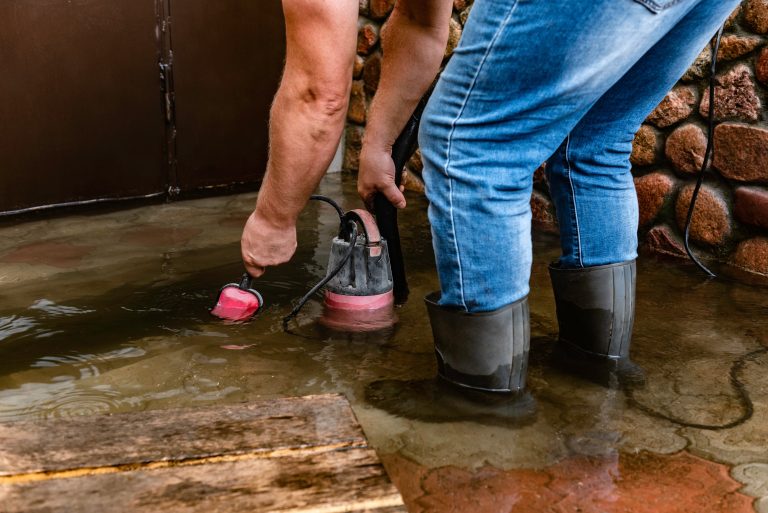
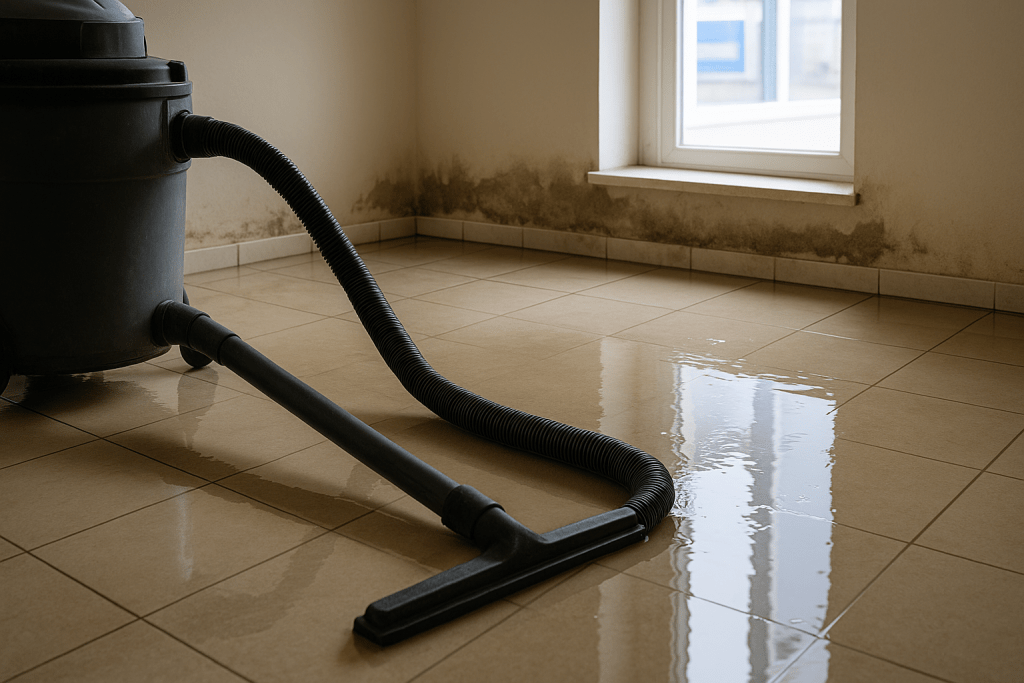
During this window, removing as much standing water as possible is crucial. Submersible pumps tackle puddles over one inch deep, while wet/dry vacuums work on lower levels and upholstery.
Mid-paragraph integration of professional insights enhances this process. Industry specialists recommend combining powerful extraction with early moisture detection tools to pinpoint hidden damp zones. Using moisture meters and infrared cameras speeds up the identification of water trapped behind walls and under flooring.
At this stage, consider Water Damage Restoration experts’ tips on setting up containment barriers—plastic sheeting hung with poles—to separate wet and dry areas. This approach reduces cross-contamination and helps maintain efficiency in drying operations.
Hours 4–12: Drying and Dehumidification
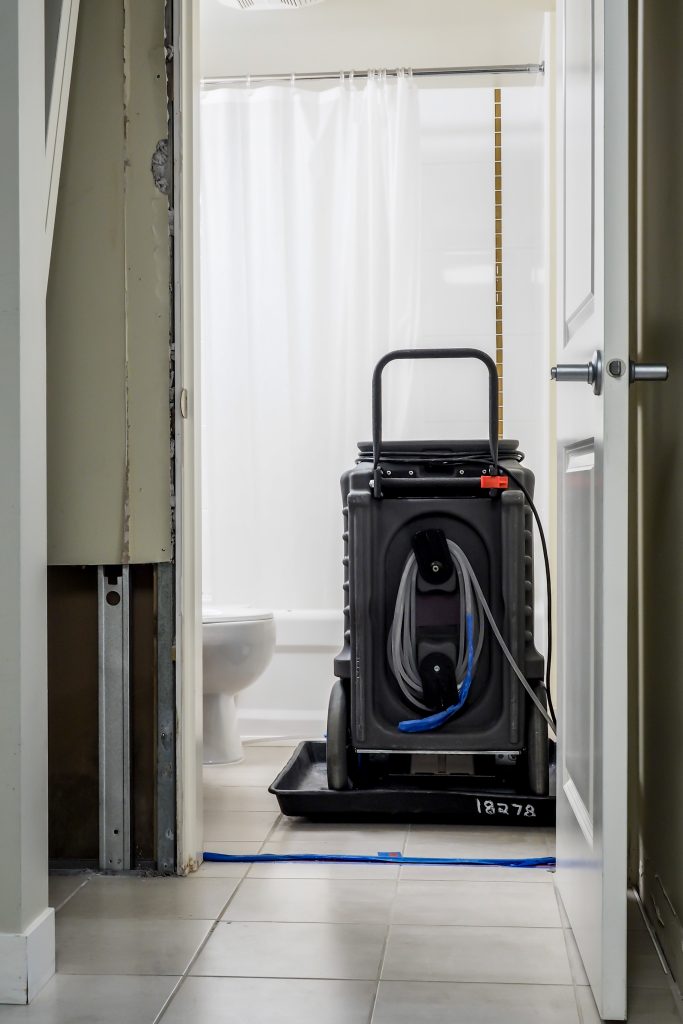
With bulk water removed, the focus shifts to lowering relative humidity and speeding up evaporation. High-capacity dehumidifiers draw moisture out of the air, while axial fans direct airflow across wet surfaces.
Enlisting both dehumidification and air movement prevents condensation on cooler surfaces, which could otherwise reverse drying progress. Place fans at a 45-degree angle toward walls and rotate them periodically for uniform coverage.
Regular monitoring of moisture readings informs equipment placement. If readings stagnate, reposition fans or dehumidifiers to target persistent damp sections. Documenting these readings also serves as a log for restoration professionals who follow.
Hours 12–24: Cleaning, Sanitization, and Prevention
Once moisture levels approach acceptable thresholds, deep cleaning and antimicrobial treatments begin. Hard surfaces should be scrubbed with EPA-approved disinfectants to inhibit mold and bacteria.
Soft materials like carpets and upholstery need specialized cleaning agents. In some cases, removal of soaked padding or drywall may be necessary to eliminate concealed biohazards. Seal and bag all discarded materials to prevent spore dispersal.
Finally, apply mold-inhibiting primers to susceptible areas. Preventing microbial regrowth is a core part of any emergency water removal operation and safeguards occupant health.
Essential Tools and Equipment
Restoration professionals rely on an array of specialized gear. The table below summarizes core equipment and their functions.
| Equipment | Purpose | Typical Capacity/Specs |
| Submersible Pump | Remove deep standing water | 3,000–5,000 GPH |
| Wet/Dry Vacuum | Extract water from low-lying areas and textiles | 9–12 gal capacity |
| Industrial Dehumidifier | Lower humidity to 30–50% RH | 70–120 ppd at AHAM |
| High-Velocity Air Mover | Promote evaporation on floor and wall surfaces | 2,500–3,500 CFM |
| Moisture Meter | Detect residual moisture in materials | Pin and non-pin types |
| Infrared Thermal Camera | Visualize thermal differentials indicating hidden wet | 320 × 240 pixel resolution |
Properly matching tool capacity to the scale of the incident ensures efficient water removal and drying, reducing downtime and material loss.
Common Causes of Residential Water Emergencies
Understanding triggers for flood damage repair helps prevent future incidents. Common scenarios include:
- Burst Pipe Cleanup: Aging or frozen pipes can rupture, releasing pressurized water throughout walls and ceilings.
- Overflowing Appliances: Washing machines, dishwashers, and water heaters often leak when supply lines fail.
- Roof and Gutter Failures: Clogged drains lead to ponding and roof leaks, especially after heavy rains.
- Sewage Backups: Blocked sewer lines force contaminated water into bathtubs, sinks, and floors.
- Natural Flooding: Rivers and storm surges introduce large volumes of water that outpace DIY extraction methods.
Regular inspection of plumbing, roofing, and drainage systems is the first line of defense against costly emergencies.
When to Call Professional Emergency Services
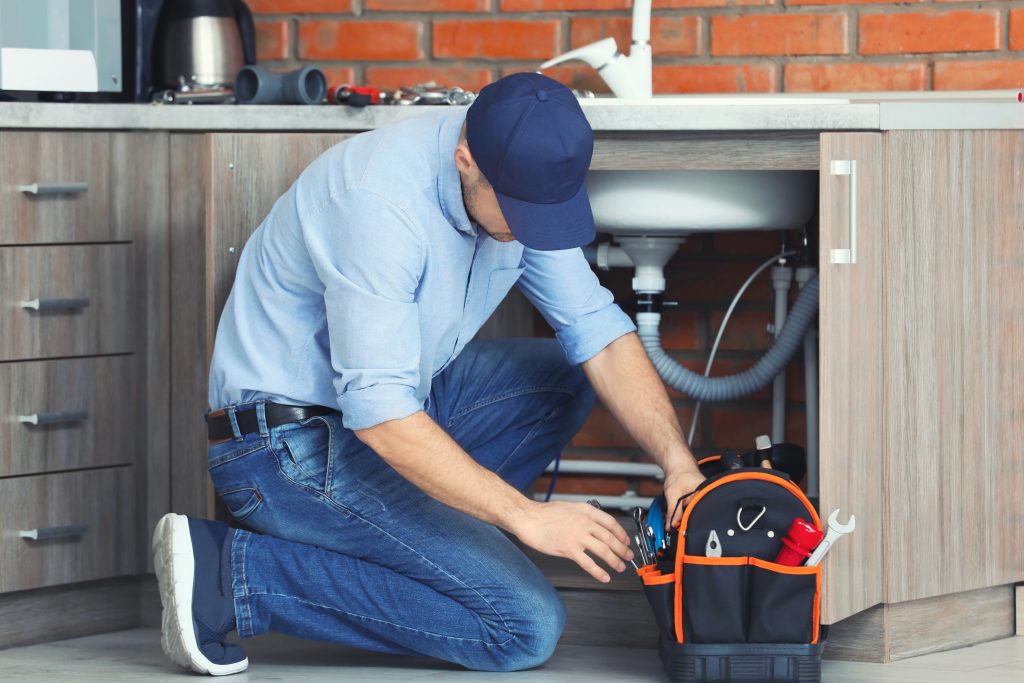
Homeowners can tackle minor water incidents, but certain conditions demand expert intervention. High-pressure spray from pressurized mains, contaminated black water, and water above knee level all fall into this category. Professionals bring industrial-grade pumps, advanced drying chambers, and biohazard protocols that exceed typical homeowner capacity.
If structural integrity is compromised—such as sagging ceilings or floor buckling—calling licensed contractors and emergency services is essential. Delays can lead to collapse risks and liability concerns.
For urgent assistance or to schedule a rapid response team, please Contact us through our 24/7 hotline. Certified technicians will mobilize immediately, ensuring a seamless handoff from initial homeowner actions to full-scale restoration.
Preventing Future Water Damage
Long-term resilience depends on proactive measures. Consider these strategies:
- Regular Maintenance
- Inspect and insulate exposed pipes to prevent freeze-thaw ruptures.
- Clean gutters twice a year to ensure proper roof drainage.
- Leak Detection Systems
- Install smart water sensors near high-risk zones like water heaters and sinks.
- Use automatic shutoff valves that trigger when abnormal flow is detected.
- Sump Pump Upgrades
- Maintain backup battery-powered pumps in basements.
- Test activation switches and float mechanisms monthly.
- Landscape Grading
- Ensure ground slopes away from foundations to divert stormwater.
- Incorporate French drains or swales for large properties.
Proactive investment in these systems can reduce emergency services calls and insurance premiums over time.
Frequently Asked Questions
How long does water damage restoration take?
Restoration timelines vary by severity. Minor leaks might require 24–48 hours of drying. Major flooding with structural repairs can extend to one to two weeks, depending on damage and permit requirements.
What equipment is typically used for flood cleanup?
Standard tools include submersible pumps, wet/dry vacuums, industrial dehumidifiers, high-velocity air movers, and moisture measurement devices. Advanced projects may demand controlled drying chambers and ozone generators.
Can homeowners handle burst pipe cleanup themselves?
Homeowners can manage initial containment by shutting off supply valves, removing small puddles, and positioning fans to promote drying. However, when facing pressurized main line failures or contaminated water intrusion, the situation becomes more complex. In these cases, professional crews equipped with commercial-grade extraction tools and proper PPE are strongly recommended to ensure safe, thorough emergency water removal and long-term structural protection.
When should professionals arrive after an emergency call?
Reputable water restoration firms offer 24-hour emergency services, often arriving within two to four hours of dispatch. Response time guarantees are critical; slower responses correlate with higher restoration costs and more extensive mold issues.
How can mold growth be prevented after flood damage repair?
Thorough drying within the first 24 hours is key. Use dehumidifiers and fans to maintain relative humidity below 50%. Apply antimicrobial treatments to vulnerable surfaces and replace severely saturated porous materials.
Final Words
Homeowners can manage initial containment by shutting off supply valves, removing small puddles, and positioning fans to promote drying. However, when confronted with pressurized main line failures or contaminated water intrusion, the situation escalates rapidly and becomes significantly more complex. In these cases, professional crews equipped with commercial-grade extraction tools and proper PPE are strongly recommended to ensure safe, thorough emergency water removal and long-term structural protection. Initiating Water Damage Restoration in the critical first hours controls structural damage and health hazards. From securing the scene to advanced drying techniques, every step plays a vital role in mitigating long-term issues.
Emergency Water Damage Services – Available 24/7
At FloodRx Restoration, we provide 24/7 emergency water removal, drying, and restoration services throughout Northern Virginia including but not limited to Fairfax County, Prince William County and Loudoun County. Our certified technicians respond quickly to stop damage in its tracks, protect your property, and restore it to a safe, clean condition.
Call us now at 877-356-6379 – we’re ready to help day or night.
