
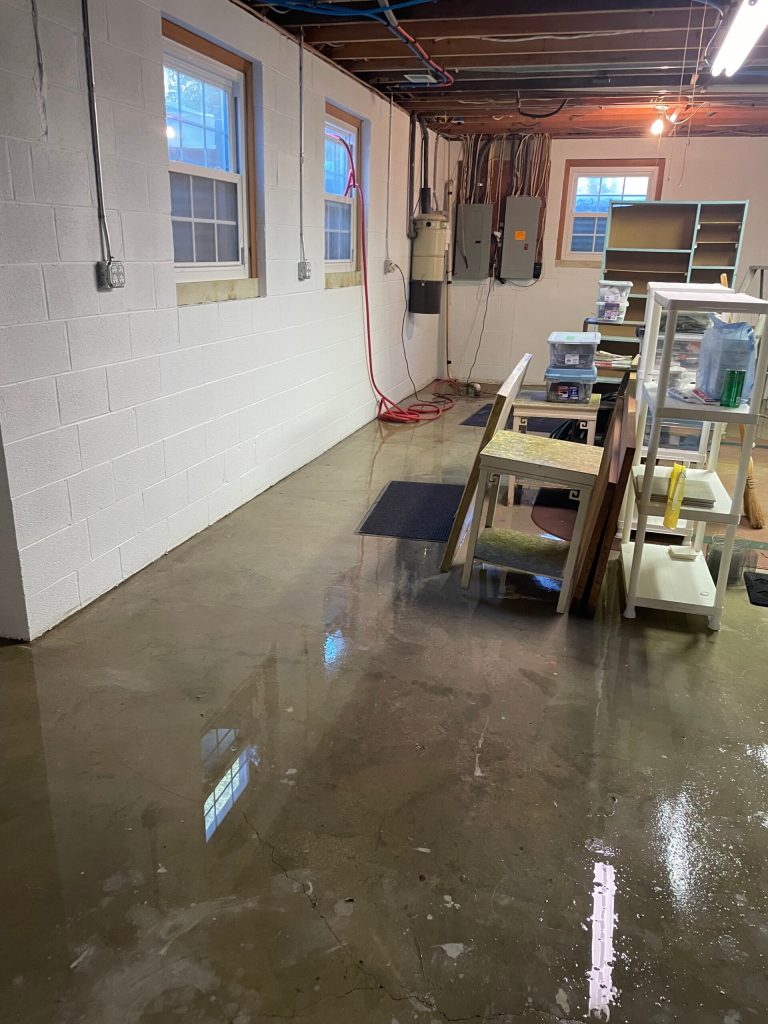
At FloodRx Restoration, we have helped hundreds of homeowners recover from basement flooding—and, more importantly, prevent it from happening again. In this comprehensive basement flood cleanup guide, we explain the four most critical steps to take immediately after a basement flood, outline the most common causes of basement water damage, and highlight long-term waterproofing solutions designed to protect your home year-round.
Key Takeaways: What to Do After a Basement Flood
At FloodRx Restoration, we’ve helped hundreds of homeowners recover from basement floods—and more importantly, prevent them from happening again.
Key Takeaways
Step 1: Prioritize Safety First

Before entering a flooded basement, you must carefully assess potential hazards. Standing water near electrical outlets, appliances, or breaker panels poses a serious electrocution risk. Additionally, gas leaks or structural damage may be present.
Therefore, take the following safety precautions:
- Shut off electricity to the basement (only if it is safe to do so)
- Evacuate children and pets immediately
- Avoid direct contact with floodwater, especially if it appears contaminated
- Contact a professional flood restoration company for a safe inspection
Importantly, floodwater may contain sewage, bacteria, or chemicals. If entry is unavoidable, always wear gloves, waterproof boots, and protective equipment.
Step 2: Begin Basement Water Removal and Structural Drying
Once the area is confirmed safe, immediate basement water removal becomes essential. The faster standing water is extracted, the lower the risk of structural deterioration and mold growth.
To begin the basement flood cleanup process:
- Use a wet/dry vacuum or sump pump to remove standing water
- Open windows and run fans or dehumidifiers to improve air circulation
- Disinfect all affected surfaces, particularly if contaminated water is involved
- Remove saturated drywall, insulation, carpet, and unsalvageable materials
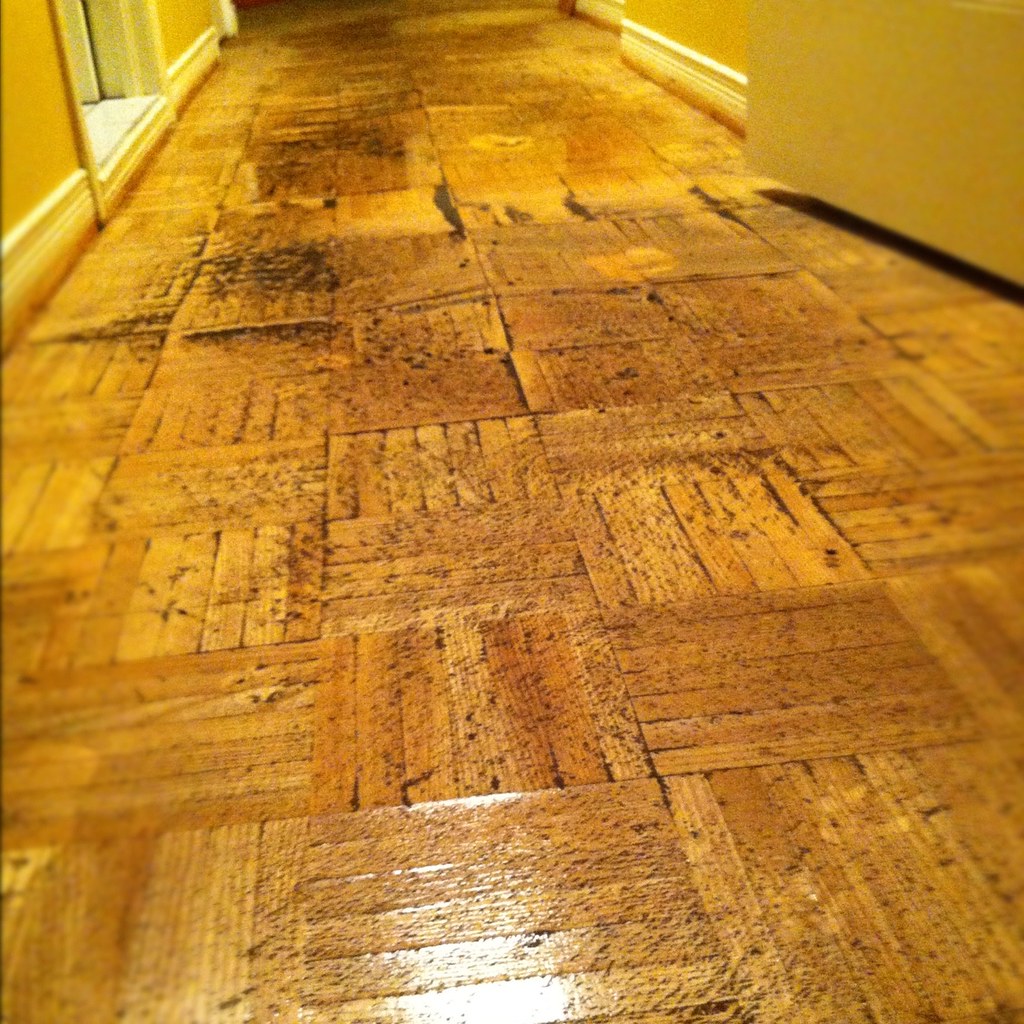
Although the water may appear clean at first glance, hidden moisture behind walls and beneath flooring can quickly create ideal conditions for mold growth within 24 to 48 hours. For this reason, professional structural drying and ongoing moisture monitoring are strongly recommended to ensure thorough and complete water damage restoration.
Step 3: Salvage Belongings and Discard Unsalvageable Materials

After water extraction, carefully evaluate personal belongings. Because mold spreads rapidly, acting quickly is critical to preventing secondary damage.
- Move salvageable items to a dry, well-ventilated area
- Dispose of porous materials such as insulation, carpet padding, and cardboard
- Clean and disinfect items you plan to keep
- Consider professional cleaning for rugs, upholstered furniture, and clothing
In addition, use a moisture meter to verify that all items are completely dry before returning them to the basement. Otherwise, any trapped moisture can promote hidden mold growth and contribute to ongoing indoor air quality problems.
Step 4: File an Insurance Claim and Schedule a Professional Assessment
If significant basement water damage has occurred, thorough documentation will support your insurance claim and streamline the restoration process.
- Take detailed photos and videos of all affected areas
- Save receipts for cleanup expenses and temporary repairs
- Contact your insurance provider promptly
- Schedule a certified damage assessment with a restoration professional
In many cases, you may also need a licensed plumber to identify the source of the flooding, as well as an electrician to evaluate the home’s electrical system for safety. By addressing these inspections early in the process, homeowners can minimize additional complications and help accelerate the overall repair and restoration timeline.
At FloodRx Restoration, we provide detailed inspection reports and work directly with insurance adjusters to simplify your claim and expedite emergency water removal services.
Common Causes of Basement Flooding
Basement floods can occur for numerous reasons—some sudden and unavoidable, while others develop gradually and are preventable through routine maintenance. Therefore, identifying the precise source of water intrusion is essential for implementing an effective flood damage repair strategy. Without accurate diagnosis, recurring basement flooding and costly structural damage may follow.
The most common causes of basement flooding include:
- Cracked foundation walls: Structural fractures allow groundwater to seep inside, especially during prolonged rainfall.
- Broken sump pump systems: Failed sump pumps cannot redirect rising groundwater during heavy storms.
- Burst pipes: Sudden plumbing failures release substantial volumes of water, causing immediate flooding.
- Leaky basement windows: Inadequate sealing permits rainwater or snowmelt intrusion.
- Improper yard drainage: Poor grading increases hydrostatic pressure around the foundation.
- Severe weather events: Hurricanes, flash floods, and rapid snowmelt can overwhelm drainage systems and contribute to basement water intrusion.
Ultimately, understanding these basement flood causes enables homeowners to take proactive prevention measures and determine when professional water removal and structural drying services are necessary.
How to Prevent Basement Flooding
Preventing future basement flooding requires more than reacting quickly—it requires strategic, long-term waterproofing solutions. For this reason, FloodRx Restoration offers professional basement waterproofing systems that protect your home from water intrusion in every season.
Our basement flood prevention solutions include:
- Sump pump installation with battery backup systems
- Interior perimeter drainage systems to redirect groundwater
- Moisture barrier wall panels to prevent seepage
- Self-draining dehumidification systems to control humidity
- Anti-freeze discharge lines to prevent winter backups
When installed correctly, these systems work together to capture, redirect, and remove water before it becomes a flooding threat. As a result, homeowners gain reliable protection, improved indoor air quality, and long-term structural stability.
Work with FloodRx Restoration to Protect Your Basement
If your basement has recently flooded—or if you have noticed damp walls, musty odors, or standing water—do not wait for the next storm to cause additional damage. Instead, schedule a professional basement inspection to identify vulnerabilities and implement permanent solutions.
FloodRx Restoration provides:
✅ 24/7 emergency flood cleanup
✅ Complete water damage restoration services
✅ Certified mold remediation
✅ Permanent basement waterproofing systems
✅ Insurance claim assistance and documentation support
By acting quickly and investing in professional basement waterproofing, you can reduce repair costs, prevent mold growth, and protect your home from future flooding. Contact FloodRx Restoration today to restore your basement and safeguard your property for years to come.
Emergency Water Damage Services – Available 24/7
At FloodRx Restoration, we provide 24/7 emergency water removal, drying, and restoration services throughout Northern Virginia including but not limited to Fairfax County, Prince William County and Loudoun County. Our certified technicians respond quickly to stop damage in its tracks, protect your property, and restore it to a safe, clean condition.
Call us now at 877-356-6379 – we’re ready to help day or night.
