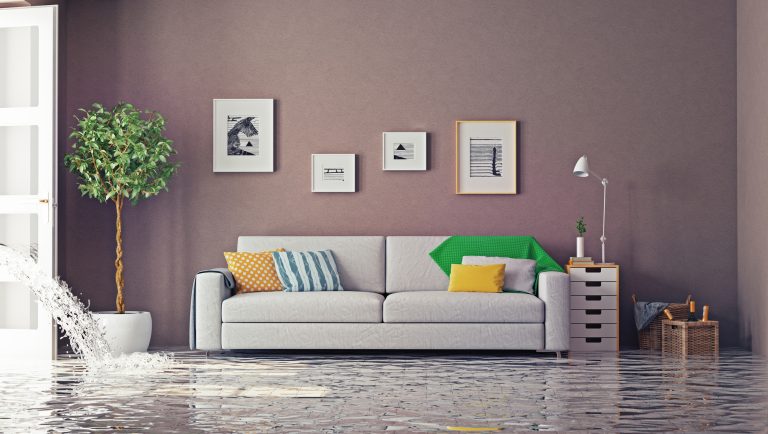
Water damage is one of the most common and costly issues property owners face. Whether it’s a burst pipe, a leaking appliance, or a flood caused by a storm, understanding the difference between category 1, 2 and 3 water damage is essential for safe and effective cleanup.
At FloodRx Restoration, we follow industry standard categorized water damage in three levels—Category 1 (clean water), Category 2 (gray water), and Category 3 (black water). Each carries different levels of contamination and health risk, and each demands a unique remediation approach.
In this comprehensive guide, we break down the differences between the water damage categories, why they matter, and how our certified technicians respond to restore safety and property integrity.
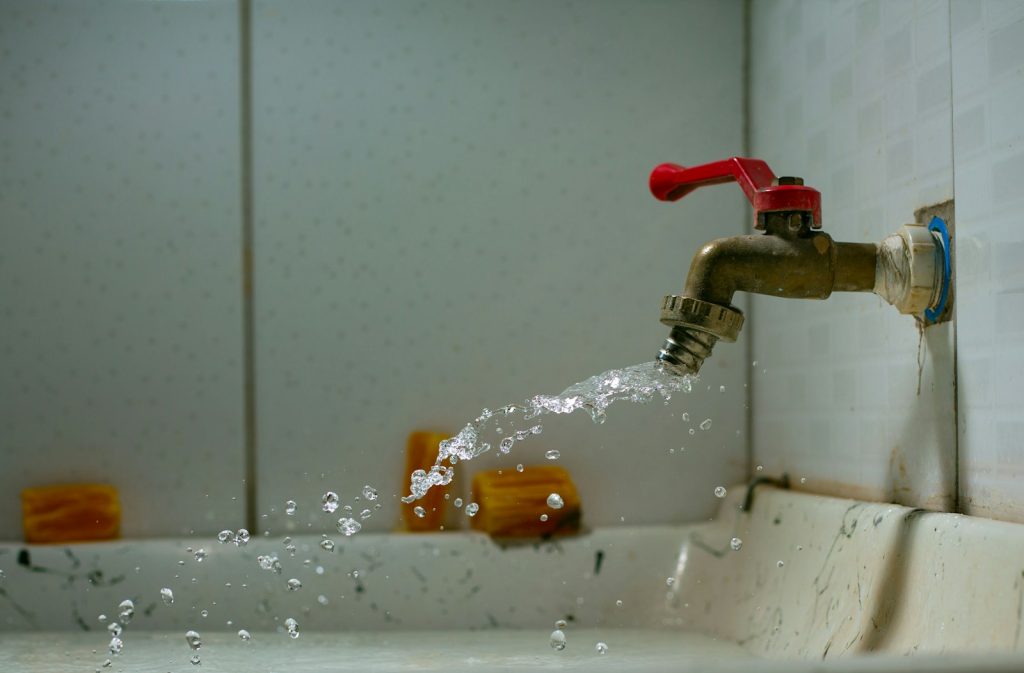
What Is Category 1 Water Damage? (Clean Water)
Category 1 water damage, also known as clean water damage, originates from a sanitary source and poses little to no health risk to humans. Common sources include:
- Broken water supply lines
- Overflowing sinks or bathtubs (without contaminants)
- Rainwater leaks from intact roofs
- HVAC condensation leaks
Although this water is considered clean, delaying cleanup can still lead to serious damage, especially if moisture soaks into carpets, drywall, insulation, or subflooring. Mold growth can begin within 24–48 hours, making rapid response essential.
FloodRx Restoration Response to Category 1 Water Damage:
- Immediate water extraction using industrial pumps and vacuums
- Deployment of high-efficiency air movers and dehumidifiers
- Use of moisture meters and thermal imaging to detect hidden water
- Continuous monitoring to ensure complete drying and prevent mold

What Is Category 2 Water Damage? (Gray Water)
Category 2 water damage, often referred to as gray water, contains a moderate level of contamination. It can cause illness or discomfort when ingested or if it contacts the skin.
Common sources of Category 2 water include:
- Washing machine or dishwasher overflows
- Sump pump failures
- Toilet leaks without feces
- Broken aquariums or waterbeds
Gray water may appear cloudy and often contains detergents, food particles, or cleaning agents. Over time, if not properly cleaned and dried, Category 2 water can degrade into Category 3 black water, increasing the hazard level and restoration cost.
FloodRx Restoration Response to Category 2 Water Damage:
- Protective equipment worn by technicians to avoid exposure
- Thorough extraction followed by antimicrobial treatment
- Removal of affected porous materials if necessary (e.g., carpets, padding)
- Dehumidification and structural drying to prevent mold or bacteria growth
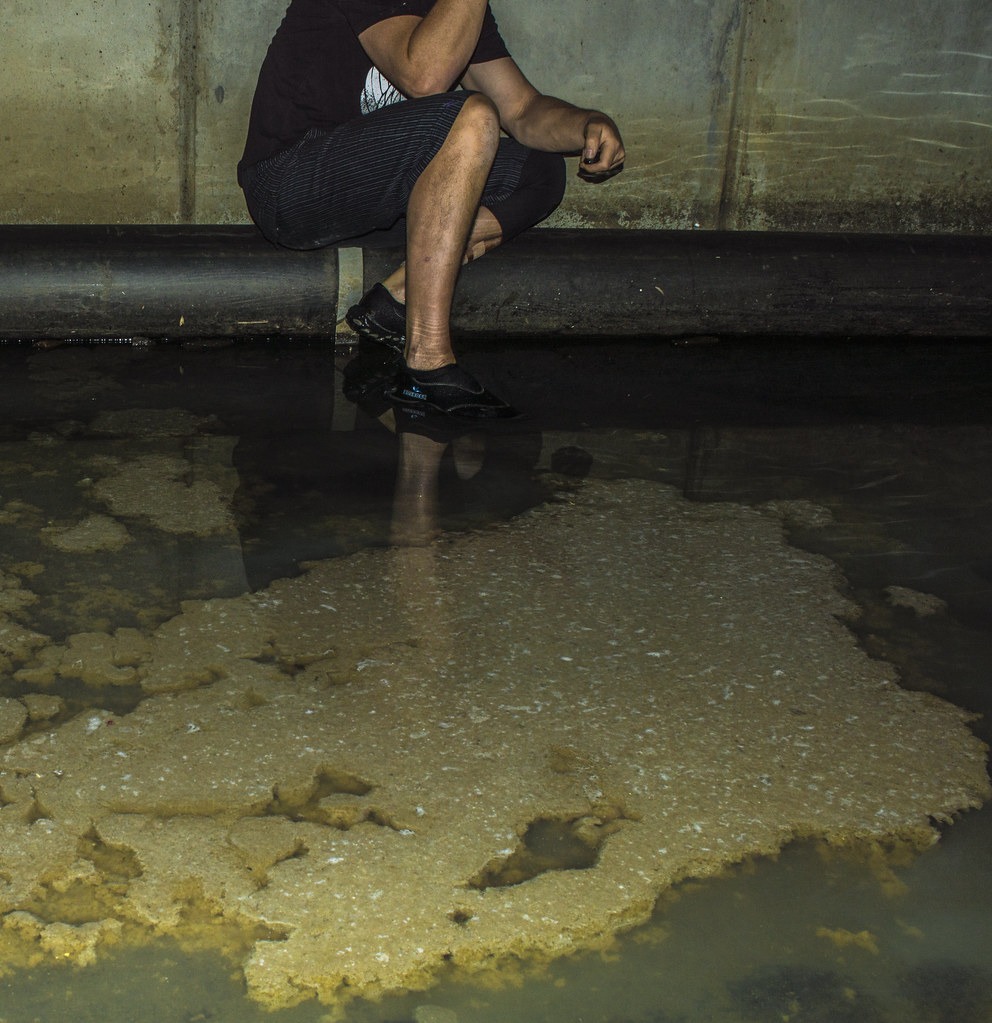
What Is Category 3 Water Damage? (Black Water)
Category 3 water damage is the most hazardous level of water contamination. Commonly known as black water, it contains dangerous pathogens, toxins, and biohazards that pose serious health risks. Sources include:
- Sewage backups
- Floodwaters from rivers or oceans
- Storm surge or hurricane flooding
- Standing water left untreated for more than 72 hours
Black water may carry E. coli, Salmonella, Hepatitis A, and various parasites. Direct contact or inhalation of contaminated particles can lead to severe infections, respiratory issues, or gastrointestinal illness.
FloodRx Restoration Response to Category 3 Water Damage:
- Immediate establishment of containment zones with negative air pressure
- Full removal of contaminated building materials (drywall, insulation, carpet, etc.)
- Application of EPA-approved disinfectants and HEPA-filtered vacuum systems
- Comprehensive sanitization and odor control
- Post-remediation testing and verification for health and safety
Note: Property owners should never attempt to clean Category 3 water damage themselves. Always call certified professionals trained in biohazard remediation.
Why Categorizing Water Damage Matters
Correctly identifying the water damage category is crucial for:
- Ensuring occupant safety
- Choosing appropriate PPE and equipment
- Applying the right cleaning agents and protocols
- Minimizing long-term damage and liability
- Complying with IICRC industry standards
At FloodRx Restoration, our technicians are trained to assess, document, and remediate all water damage scenarios with precision and professionalism.
Comparing Category 1, 2, and 3 Water Damage
| Category | Sources Examples | Contamination Level | Health Risks | Typical Restoration Approach |
| Category 1 | Supply line breaks, HVAC leaks | Clean | Low (mold risk if untreated) | Water extraction, dehumidification, monitoring |
| Category 2 | Appliance leaks, sump pump failure | Gray | Moderate (illness from exposure) | PPE, antimicrobial cleaning, structural drying |
| Category 3 | Sewage, floodwater, prolonged standing water | Black | High (biohazards, infections) | Full removal, disinfection, HEPA filtering, drying |
Timeline for Restoration by Category
| Category | Expected Drying Time | Disinfection Required? | Structural Repairs? |
| 1 | 1–3 days | Minimal (monitor for mold) | Minor if addressed early |
| 2 | 3–5 days | Yes | Possible drywall or carpet removal |
| 3 | 7–10 days | Yes (biohazard level) | Extensive, may include gutting affected areas |
How to Assess the Severity of Water Damage
Professional restoration teams use both visual inspection and advanced tools to assess damage. This includes:
- Identifying the category of water
- Measuring moisture levels in walls, floors, and ceilings
- Classifying damage into IICRC water classes (1–4) for drying requirements
- Creating a custom remediation plan
IICRC Water Classes:
- Class 1: Minimal absorption; small area affected
- Class 2: Significant water spread; carpet and walls impacted
- Class 3: Saturated ceilings, walls, insulation, and flooring
- Class 4: Deeply embedded moisture in materials like hardwood and plaster
Preventing Secondary Issues After Water Damage
Even after water extraction, moisture can remain trapped behind walls or under flooring. This leads to:
- Mold growth
- Wood rot
- Structural weakening
- Persistent odors
- Compromised indoor air quality
To prevent these issues, FloodRx technicians:
- To prevent these issues, FloodRx technicians:
- Use moisture barriers and sealants where needed
- Perform post-restoration verification using specialized equipment
- Provide documentation for insurance claims
Why Choose FloodRx Restoration?
When disaster strikes, you need more than just cleanup—you need trusted professionals with the training, equipment, and commitment to restore your home or business safely.
FloodRx Restoration is:
- IICRC-certified
- Available 24/7 for emergency water damage response
- Experienced in handling clean water leaks, gray water, and black water emergencies
- Backed by years of experience in flood damage repair, mold prevention, and biohazard cleanup
Frequently Asked Questions
- How soon should Category 1 water damage be addressed?
Within 24–48 hours. Delay can lead to mold growth and structural damage. - Is it safe to clean up gray water yourself?
No. Gray water contains contaminants and requires professional sanitization. - What are the risks of black water exposure?
Black water contains harmful bacteria, viruses, and chemicals. Direct contact can lead to serious illness. - Will insurance cover black water damage?
Most homeowners’ policies cover sudden, accidental incidents. Always consult your provider and document the damage. - How much does it cost to clean Category 3 water damage?
Costs are typically 2–3 times higher than clean water damage due to hazardous material removal, disinfection, and labor.
Final Thoughts
Whether you’re dealing with a minor pipe leak or a full-scale sewage backup, understanding the difference between Category 1, 2, and 3 water damage is the first step toward protecting your health and property.
Don’t risk incomplete restoration or hidden hazards. Trust FloodRx Restoration to deliver prompt, certified, and comprehensive water damage cleanup services tailored to your specific situation.
Emergency Water Damage Services – Available 24/7
At FloodRx Restoration, we provide 24/7 emergency water removal, drying, and restoration services throughout Northern Virginia included but not limited to Fairfax County, Prince William and Loudoun County. Our certified technicians respond quickly to stop damage in its tracks, protect your property, and restore it to a safe, clean condition.
Call us now at 877-356-6379 – we’re ready to help day or night.
